qwen-forge (local conductor)
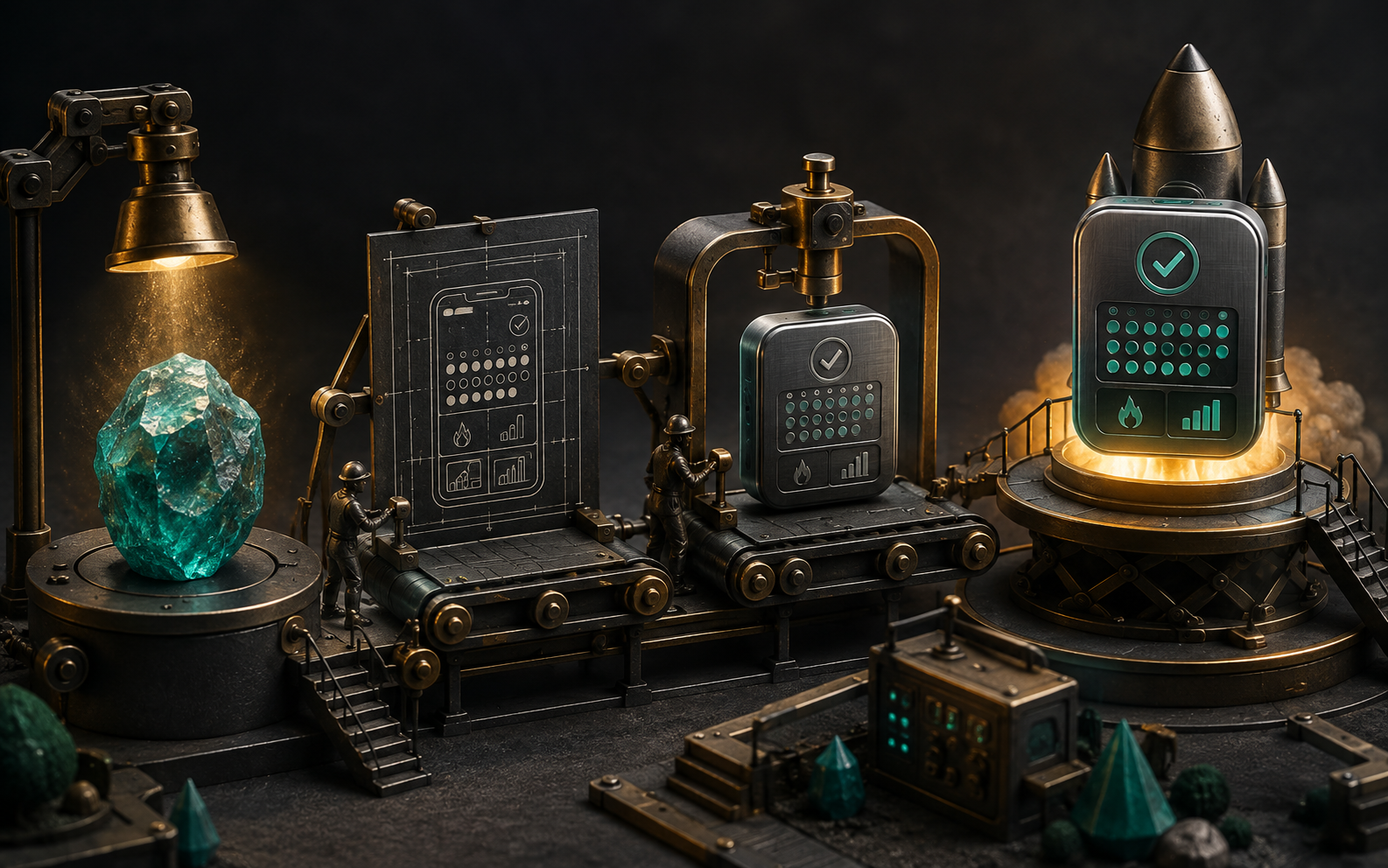
The Qwen-run version of /forge. Same arc, mechanical form: detect the stage by concrete checks (not judgment), run the matching qwen-* skill, advance. One GPU, so sequential.
QWEN LOCAL RULES (obey every step; full text: references/QWEN-MODE.md)
- You are a builder, not an architect. Judgment calls belong to the user.
- ONE small change at a time. After each: build → tests → lint. Green → commit + report. Red → revert, one retry, else STOP and ask. Never weaken tests.
- Build ONLY what the Intent needs; extra ideas → SOMEDAY.md.
- Unclear / judgment call / outward-or-irreversible → write to .autopilot/DECISIONS.md and STOP.
- Local endpoint required: a local OpenAI-compatible endpoint (vLLM, SGLang, llama.cpp or Ollama) serving a capable Qwen-class coding model. ONE model loaded, work SEQUENTIALLY, leave memory headroom on unified-memory machines.
Detect the stage (simple checks, in order)
1. Empty repo / no source / no build file (no package.json, Cargo.toml, etc.)
        → run qwen-kickstart   (0→1: scaffold it)
2. It builds and has tests, but features are incomplete vs the Intent
        → run qwen-project-autopilot   (1→done)
3. It builds, tests pass, and it delivers the Intent
        → run qwen-ship-it   (pre-flight only; buttons belong to the user)
4. Already shipped → STOP, report.
Loop
a. Detect the stage (above).
b. Run that one qwen-* skill; let it finish its own loop.
c. When it reports done, re-detect and go to the next stage.
d. STOP for the user at: any ship button, any DECISIONS.md item, or anything you're unsure about.
First steps
- Read README.md + AGENTS.md fully; say back in 3 bullets what the project is.
- Make sure it builds + tests pass right now (baseline). If not and a scaffold exists, that's qwen-project-autopilot's first job: fix the baseline before new work.
- Detect the stage and begin.
Notes
- This is the zero-token local option. For higher quality at near-zero spend, run HYBRID (a short Claude session plans/reviews; Qwen executes). See references/QWEN-MODE.md.
- Distilled from /forge. That skill (and project-autopilot's references) hold the full judgment-rich version if a human or Claude is driving instead.